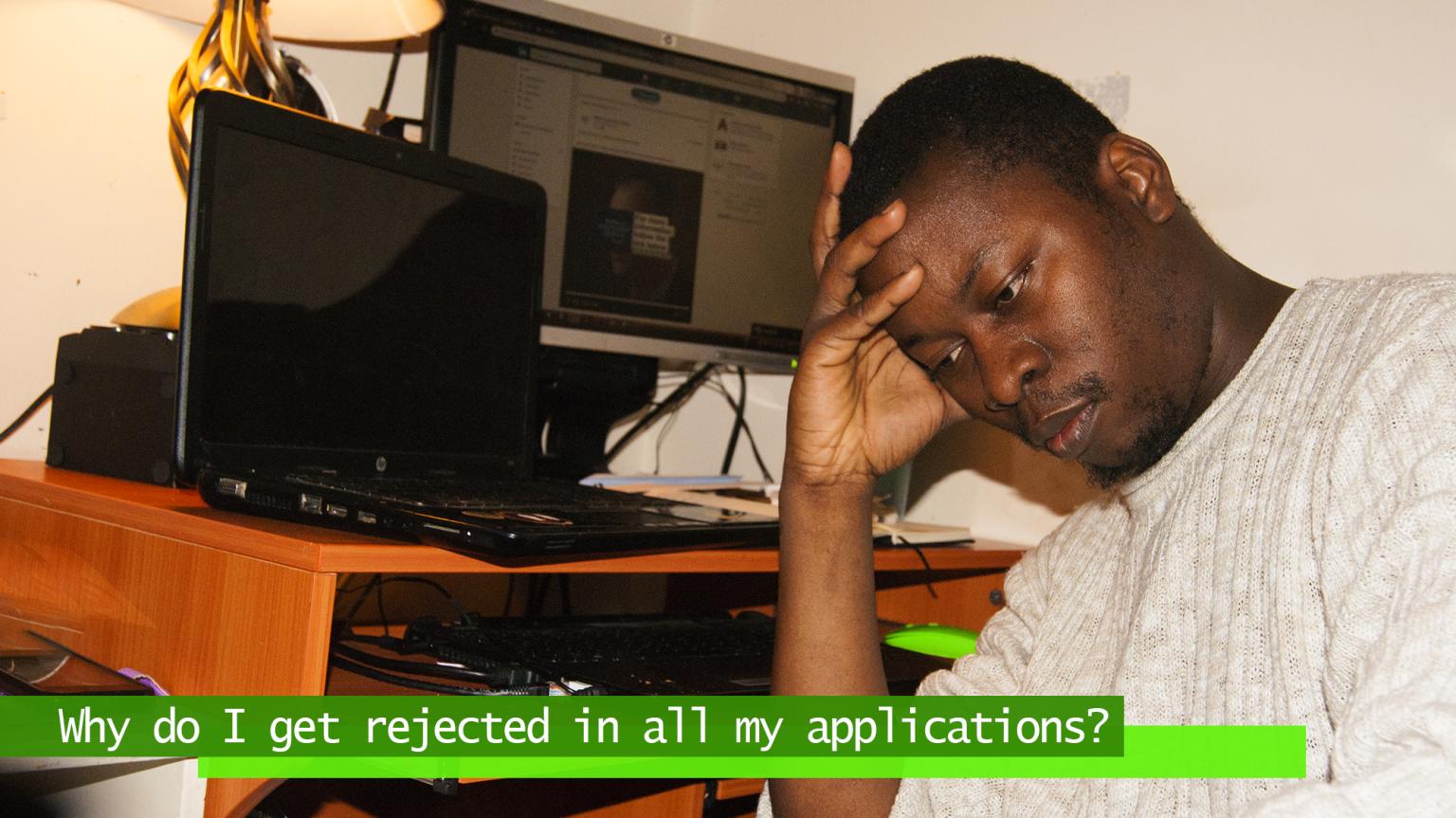
Depression pronounced as ‘dih-presh-un’, is a state of feeling very sad without hope.
Clearly, depression is a combination of two words: deep and pressure – meaning, a deep feeling (or feelings) of pressure which results in anxiety, severe emotional pains, hopelessness, and eventually, suicide.
The term, depression manifests in various forms such as clinical depression, mental disorder, dysthymia, the heaviness of spirit, worry, dispiritedness, despondency, hopelessness, among others.
Understanding Depression
Everyone feels sad from time to time. When sad feelings linger for too long, they lead to depression. It often starts with thoughts that develop into feelings and actions. It could become an illness, a medical condition when it is out of control.
Just as the famous quote by Ralph Waldo Emerson,
“Sow a thought and you reap an action; sow an act and you reap a habit; sow a habit and you reap a character; sow a character and you reap a destiny.”
How to Handle Depression
A clear understanding of what leads to depression would help us on how to handle it successfully.
People fall into depression when:
- they suffer disappointment
- they lose someone very dear/loved ones
- they hate how they look (self-hatred/self-loathing)
- they hate the outcomes of their lives
- they don’t seem to make progress while others are
- they are not loved or appreciated
- they don’t get the attention they seek
- they are rejected
- things do not go as they planned
- they are faced with terrible/life-threatening health conditions
- they lose their jobs or experience bad debts
If you’re experiencing depression in whichever form as listed above, there is a way out. Depression can be very tricky to deal with but the following suggestions might help you get away with it.
- Seek help when feeling depressed. Getting support plays an important role in overcoming depression. You need to surround yourself with positive people. When you find people who are genuinely interested in getting you out of a depressing state (though they are rare – to be honest) – keep them close.
- Do not isolate yourself. Get involved in a group (discussion group) where you can easily share how you feel. You’d be so surprised to realize that others are also faced with similar issues, or even worse. No situation is peculiar. Someone out there is also combating with the same issues that are making you feel depressed. Some have gotten away with it. In the process of sharing your feelings with others, you’d get support from someone especially when they share their own stories.
- Get involved in reaching out to others. This is one of the best ways to overcome depression. It would help you to see the world differently. Search for a charitable organization, take up a volunteering role that is focused on helping those in need; nursing homes, the homeless on the streets, orphanage homes, and those with disabilities. You would be surprised at how much joy you can effect on others that are less privileged, and yet still press on with life. You have so much that millions of people out there crave for. The more you reach out to people in need, the better you’d become. Your sad feelings would begin to fade away.
- Watch out for the symptoms of depression – which would be discussed next. Before your sad feelings get too deep and continue to linger for too long, fight them with positive thoughts. Eliminate and substitute every negative thought with positive ones.
Symptoms of Depression
The symptoms of depression vary from person-to-person and at different levels.
1. When you feel sad, hopeless and lose interest in things you used to enjoy; and are serious enough to interfere with work, social life, or family.
2. Having suicidal thoughts or thoughts of harming yourself.
3. Feeling irritable continuously and intolerant of others.
4. Feeling continuous low mood, worthless or guilt-ridden.
5. Feeling tearful and not getting any enjoyment out of life.
6. Having low self-esteem and feeling helpless.
7. When you find it difficult to be positive about the future.
Personal Note
I have had depressions at different points in my life. One way that has really helped me in handling depressions is my Faith. I believe there is a God who created us and is deeply involved in our lives than we can imagine.
My relationship with him for the past years has helped me to understand that there is a purpose for everything that happens to us (which of course, is for our good) to achieve the reasons we are here.
However, as much as your faith could help to surmount life’s difficulties, you need the help of others. Identify someone or a group that you can speak to. Depression is a very complex state as you might not even be in your right senses.
Referenced Materials
- https://www2.hse.ie/conditions/mental-health/clinical-depression/clinical-depression-symptoms.html
- https://www.oxfordlearnersdictionaries.com/definition/american_english/depression